5 Warning Signs Your Heat-Processing Equipment Needs an Upgrade
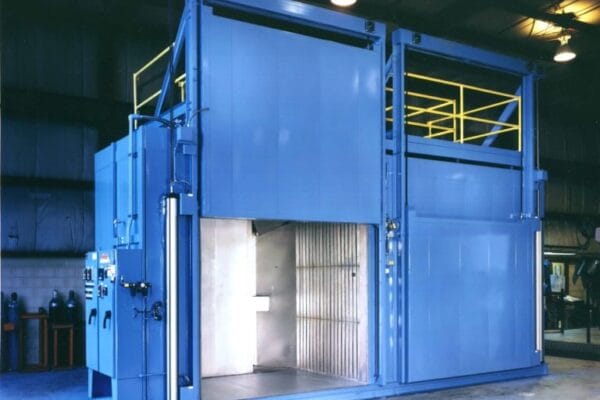
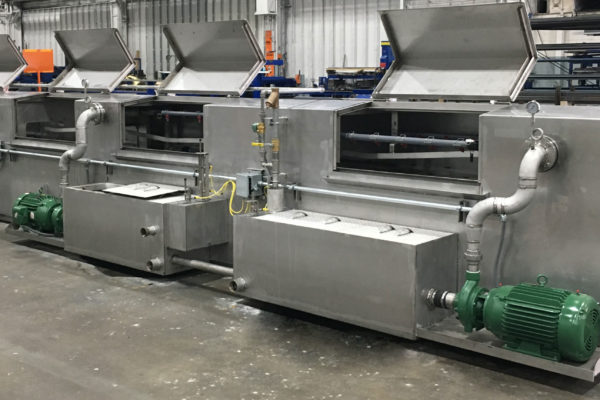
 In high-volume industrial manufacturing, your thermal processing system is often the core of the entire line. Whether you rely on industrial ovens, furnaces, or aqueous washers, consistent thermal performance is critical for maintaining product quality and meeting production targets.
However, heat-processing equipment doesn’t always fail suddenly. More often, performance degrades over time- silently driving up energy bills, slowing down production, and increasing scrap rates.
Operating legacy or underperforming systems can quickly turn your equipment into a bottleneck. Here are five clear signs it’s time to consider modernizing, retrofitting, or replacing your industrial thermal processing equipment.
1-Rising Energy Costs and Temperature Swings
If your energy bills are steadily increasing without a corresponding spike in production, your equipment is likely losing efficiency. Over time, thermal insulation degrades, seals wear down, and heating elements lose precision.
When heat leaks from the chamber, your burners or heating elements must work twice as hard to maintain target temperatures. This not only wastes energy but also causes cold spots, resulting in uneven heat distribution across your product load.
2-Frequent Unscheduled Outages and Servicing
Replacing the occasional wear item is standard practice. However, when your maintenance team is constantly responding to emergency repairs- fixing blowers, repairing drive systems, or replacing burnt-out elements- it’s a warning sign.
Unscheduled downtime breaks your production rhythm and drastically increases operating expenses. If the cost of ongoing maintenance and lost productivity approaches the investment in a system upgrade or retrofit, replacement is the more cost-effective long-term path.
3-Declining Product Quality and Higher Scrap Rates
Thermal processing relies on exact temperature profiles and air distribution. If you notice a sudden rise in quality control issues- such as improper curing, surface defects, incomplete drying, or failed wash inspections- the root cause is often degrading thermal control.
Modern production standards leave little room for error. Repeated product failure during quality checks is a direct signal that your equipment can no longer deliver the uniform heat or wash cycles required.
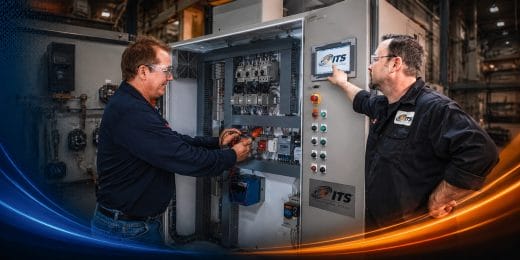 4-Obsolete Controls and Lack of Operational Data
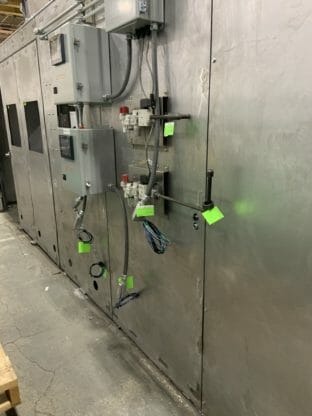
Legacy systems driven by basic relays or out-of-date PLCs limit your visibility into the heating process. Today’s manufacturing environments demand instant telemetry, diagnostic logging, and precise digital controls to ensure repeatability and conformity with industry standards.
If replacement control parts are becoming hard to source, or if your system cannot integrate into your modern plant-wide data networks, upgrading your control panel or retrofit system is essential to keeping your line modern and maintainable.
5-Inability to Keep Up with Production Demands
As your business grows, your equipment must scale with it. Older thermal processing systems designed for past throughput specifications often become significant bottlenecks as line speeds increase.
If your oven, washer, or furnace is forcing you to run smaller batch sizes or slow down conveyor speeds, an upgraded unit designed for higher capacity can unlock substantial production growth.
Protecting Your Operations Proactively
Identifying the early warning signs of thermal equipment decline allows plant managers to plan retrofits or equipment replacements proactively- rather than scrambling during a catastrophic failure.
Whether your equipment needs a control panel retrofit, insulation repair, or a full system upgrade engineered for higher efficiency, taking action early preserves your margins and keeps your production running smoothly.
Is your thermal processing system meeting your current production goals? Contact the team at International Thermal Systems (ITS) today to schedule a field performance visit or discuss equipment upgrade options.: https://www.internationalthermalsystems.com/international-thermal-systems-contact/